

Buddhist Eight Precepts : ค้นหาหนังสือธรรมะ หน้า 2 / 2
หน้าหนังสือทั้งหมด
185
Glossary of Dhamma Terms
Part Seven: Appendixes
Danamaya: see Dana
Dhamma: split into three main meanings: First: "Pure
Nature" within existence and our relationship to it; Second:
the teachings of how to get to our "Pure Nat
This appendix provides definitions for crucial terms related to Dhamma, including the meaning of Dhama, the significance of giving sermons, the process of forming right outlooks, and the concept of su
182
Characteristics of a True Buddhist
are like any of them and if we have performed our duties as
true Buddhists yet or not.
A true Buddhist must exhibit the following
characteristics:
1) Belief in the Lord Buddha's Enlightenment. It is
t
This text examines the qualities necessary for being a true Buddhist, highlighting the importance of belief in the Lord Buddha's Enlightenment, adherence to the 5 precepts, understanding of Kamma, and
92
Understanding the Importance of the Fifth and Eight Precepts
- Loss of consciousness and sanity
Those who have made a serious breach of this precept will end up in hell or other unhappy realm. As humans, they will be born with mental illnesses, be retarded or
The text discusses the severe consequences of violating the Fifth Precept in Buddhism, leading to unhappiness and potential mental disorders in future lives. It emphasizes the benefits of adhering to
182
Characteristics of a True Buddhist
are like any of them and if we have performed our duties as true Buddhists yet or not.
A true Buddhist must exhibit the following characteristics:
1) Belief in the Lord Buddha’s Enlightenment. It is
This text outlines the defining characteristics of a true Buddhist, emphasizing belief in the Lord Buddha's Enlightenment, adherence to the 5 precepts, understanding the Law of Kamma, and maintaining
44
Daily Life of Buddhists Meditation
Daily Life of Buddhists Meditation
Monica
a sermon, meditate, and make merits. Also, on
special days in Buddhism such as Visakha Puja Day,
Asarnha Puja Day, Buddhist Lent Day, the end of
Buddhist Lent
In Buddhism, monks strive to liberate themselves from suffering and attain Nirvana, similar to the Lord Buddha. Their daily routine includes morning prayers and meditation, going on alms rounds, clean
90
Buddhist Manuscripts from Sipsong Panna Region
Buddhist manuscripts from the Sipsong Panna region can be divided into four categories. The first category consists of the Dai Pāli Tripiṭaka and Tripiṭaka commentary (三藏琢) which is represented by fiv
Buddhist manuscripts from the Sipsong Panna region are categorized into four main groups: the Dai Pāli Tripiṭaka and Tripiṭaka commentary, frequently used Pāli Canon texts, Theravāda Buddhist literatu
164
Characteristics of Fruitful Elderly Individuals
The second type of elderly person is called "A Fruitful
Person," a philanthropist or altruist.
Throughout their lives, these elderly people have
diligently earned their livelihood, and are well prepar
The text discusses the qualities of 'Fruitful Persons,' elderly individuals who exemplify self-sufficiency and altruism. They live by Buddhist principles, offer alms, adhere to precepts, and meditate
164
Understanding the Fruitful Elderly: A Guide to Altruism and Wisdom
The second type of elderly person is called “A Fruitful Person,” a philanthropist or altruist. Throughout their lives, these elderly people have diligently earned their livelihood, and are well prepar
The second type of elderly individual, termed 'A Fruitful Person', exemplifies philanthropy and self-sufficiency. These individuals have not only prepared well for their later years but have also enga
126
Training and Educational Policies at Wat Phra Dhammakaya
For this reason, Luang Phaw Dhammajayo has set a policy for Buddhist monks at Wat Phra Dhammakaya to receive training enabling them to have a strong determination, a good observance of the precepts, a
Luang Phaw Dhammajayo has implemented a training policy for Buddhist monks at Wat Phra Dhammakaya, emphasizing strong determination, observance of precepts, and moral values cultivated through meditat
70
Teaching Children the Value of Money
trees, and every single dollar is hard-earned by their parents.
Children will then know the value of money and will use it wisely.
2. Teach children not to spend lavishly. Please don't
buy anything l
This text provides parents with strategies to teach their children the significance of financial responsibility. It covers topics such as encouraging wise spending habits, promoting self-created toys,
136
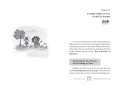
Teaching Children to Live by the Five Precepts
Chapter 32
Teaching Children to Live
by the Five Precepts
It is not an overstatement to say that teaching children to
abide by the Five Precepts is the most important responsibility
of their parents;
Teaching children to abide by the Five Precepts is crucial for shaping their futures and that of society. It is the responsibility of parents to impart these teachings, as many adults struggle to unde

140
Making the Five Precepts Easy for Children to Understand
12345
Chapter 33
Making the Five Precepts Easy
for Children to Understand
Once, I had the chance to observe a senior monk simplify
the Five Precepts for the children. The writer was impressed
with the
In this chapter, a senior monk teaches the Five Precepts in a simple manner suitable for children. The intention is to provide a guideline for parents to help their children understand these important
143
Understanding the Five Precepts
The children
The senior monk
The children
The senior monk
: Yes, he will.
:
And have you ever lied to him?
Yes, I have.
Remember this, if you lie to somebody,
they will feel less love for you each tim
This passage discusses the significance of the Five Precepts in Buddhism, focusing on honesty and the consequences of lying. The text outlines how adherence to the first four precepts — not killing, s
137
The Five Precepts That Parents Should Know
The Five Precepts That Parents Should Know
Teaching their children to abide by the Five Precepts is the utmost important responsibility of parents to help counteract social deterioration. However, be
Teaching children the Five Precepts is essential for parents to combat social decline. Parents must first understand the meaning of a precept, its connection to human nature, and the consequences of n
23
The Power of Honest Work and Meditation
When doing honest work the mind becomes less clouded, becoming brighter, which will help facilitate the practice of meditation. This will be the beginning step to reach the inner light and the absolut
Honest work illuminates the mind, paving the way for successful meditation. This journey creates good habits and positive energy, fostering happiness and health. Conversely, dishonest actions breed ne

89
การเรียนรู้และการสอนการนั่งสมาธิ
May 10'88
Thank-you for allowing
Nammasakan mang
Luang Phor Datajivo,
Phor Dhammajor
and
my
two friends and I
to stay at
the assa
us. Dunng
and
egards
our stay we
we have lorunt
Meditation
be
time
and
May 10'88 Thank-you for allowing Nammasakan mang Luang Phor Datajivo, Phor Dhammajor and my two friends and I to stay at the assa us. Dunng and egards our stay we we have lorunt Meditation be time and
63
Understanding Paccekabuddhas in Buddhist Philosophy
V. Reference 2: Dhammakāya and Paccekabuddhas
A Paccekabuddha is counted as one of the two types of Buddhas. According to Buddhist philosophy, a Paccekabuddha is a person who is of the highest wisdom
This text discusses the concept of Paccekabuddhas, individuals of high wisdom who achieve self-enlightenment but lack the ability to teach. It explores scholarly arguments about the pre-Buddhist origi
139
Untitled
Nirvana — the ultimate goal of Buddhist endeavour — Ultimate Bliss, Eternity and True Self, release from defilements and Samsara.
Pali — the ancient Indian language used to record the scriptures of th
No summary available due to lack of content.
84
Embracing Virtue and Avoiding Harm
124. GRAB THE FLAG OF VICTORY
We are extremely fortunate to be born a human being. We are born to pursue
virtue, to build spiritual benefits. So take this opportunity to accumulate only
good thi
This text emphasizes the importance of being human and the opportunity to build spiritual assets through virtue. The author shares personal experiences of adhering to the Five and Eight Precepts, disc
84
Bibliography of Buddhist Studies
Bibliography
Dutt, Nalinaksha. Mahayana Buddhism. Delhi: Motilal Banarsidass, 1978.
Geiger, Wilhelm. “Dhamma and Brahman.” Zeitschrift flour buddhismus (1921): 73-83.
Gombrich, Richard. “The Buddha’s
This bibliography encompasses significant scholarly works in Buddhist studies, offering insights into various aspects such as the early Buddhist philosophy, the concept of Dharmakāya, and teachings of